|
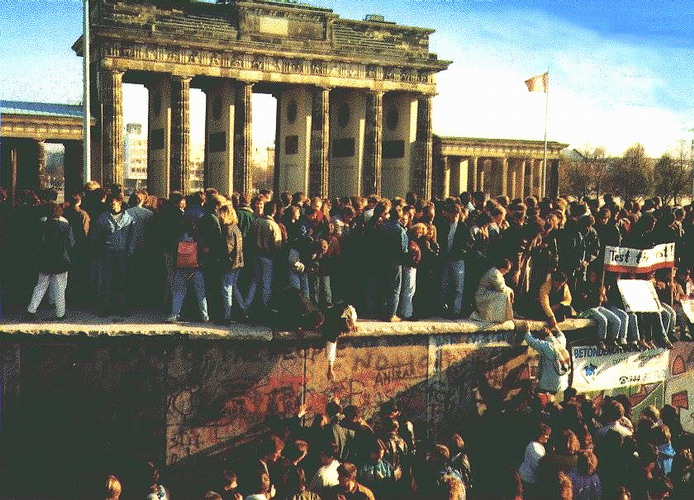
The fall of the Berlin wall in November of 1989 has a major impact on Greece. Almost overnight hundreds of thousands of ethnic Greek minorities are able to return to a mother country that most of them have never seen.
|
|
 There are half a million Pontian Greeks in the Soviet Union who after falling out of favor in Stalinist Russia had been sent from the
hospitable shores of the Black Sea to the wastelands of the Central Asian republics. Communists who had left Greece after the civil war were also scattered around former iron curtain countries. Their numbers were large enough to be minority populations of the new independent nations, but the awakening nationalism of these nations, not to mention wars and revolts, make Greece seem like the best place to be for many. The biggest impact though are the ethnic-Greeks from Albania, as well as the non-Greek Albanians
who can buy visas for $400 a pop from corrupt Greek consular officials who allegedly sell several hundred a day. Not that they need a visa to get across a border that is now like a sieve. Though blamed for a rise in crime, the new immigrants make up the most important part of the work force, doing the jobs the Greeks no longer want to do, building roads and stone walls (which they are experts at), farm and construction work, restaurants and factories. Though Greeks complain about the Albanian problem, the
legal immigrants contribute a higher portion of their salary to social security than the Greeks do while demanding fewer services. The illegal immigrants work at lower wages and enable some businesses to prosper that might not exist were they do to things by the book. Of course thrown into the mix are those Albanians, and ethnic Greeks who don't fit in and without a family to help them get on their feet drift into the world of narcotics and crime mostly in the large cities. On the islands and in the villages
the Albanians take the place of those who have left for greener pastures. On the island of Kea for example, half the population is Albanian, building summer houses for Athenians, doing farm work and house repairs, buying homes of their own and raising families. There are half a million Pontian Greeks in the Soviet Union who after falling out of favor in Stalinist Russia had been sent from the
hospitable shores of the Black Sea to the wastelands of the Central Asian republics. Communists who had left Greece after the civil war were also scattered around former iron curtain countries. Their numbers were large enough to be minority populations of the new independent nations, but the awakening nationalism of these nations, not to mention wars and revolts, make Greece seem like the best place to be for many. The biggest impact though are the ethnic-Greeks from Albania, as well as the non-Greek Albanians
who can buy visas for $400 a pop from corrupt Greek consular officials who allegedly sell several hundred a day. Not that they need a visa to get across a border that is now like a sieve. Though blamed for a rise in crime, the new immigrants make up the most important part of the work force, doing the jobs the Greeks no longer want to do, building roads and stone walls (which they are experts at), farm and construction work, restaurants and factories. Though Greeks complain about the Albanian problem, the
legal immigrants contribute a higher portion of their salary to social security than the Greeks do while demanding fewer services. The illegal immigrants work at lower wages and enable some businesses to prosper that might not exist were they do to things by the book. Of course thrown into the mix are those Albanians, and ethnic Greeks who don't fit in and without a family to help them get on their feet drift into the world of narcotics and crime mostly in the large cities. On the islands and in the villages
the Albanians take the place of those who have left for greener pastures. On the island of Kea for example, half the population is Albanian, building summer houses for Athenians, doing farm work and house repairs, buying homes of their own and raising families.
|
|
In 1992 the Olympic committee has their final round in the voting that will decide where the 1996 Olympics will be held. Athens is the sentimental favorite and expected to win since after all, it will be the 100th anniversary of the first modern Olympics, which were held in Athens. In Athens everyone expects their city to be named and fireworks are ready to be set off for the inevitable celebration. But in a shocking upset Atlanta comes from behind to win the vote
with a public relations barrage
and
a big pile of money. This leads Greek Minister of Culture Melina Mercouri to bemoan that "Coca-cola had won over the Parthenon". And the fireworks in Athens? They shot them off anyway. But few people really enjoyed them. The Athens 96 T-shirts became instant collectors items.
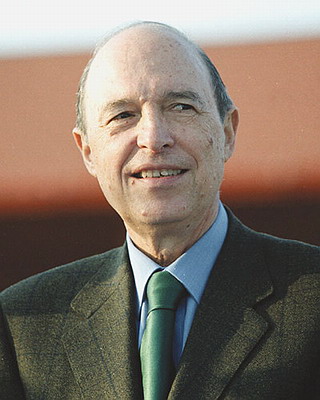 The Kostas Simitis Era begins with an incident with Turkey known as Imia affair, named for a small islet between the two countries. On January 30th, 1996 a group of Turkish 'journalists'
tear down
the Greek flag that had been placed
on the small island by the mayor of Kalymnos, and replace it with the Turkish flag. They then wait around to film the results and perhaps the coming war. They are not disappointed. The two countries nearly go to war and finally after some saber-rattling and serious diplomacy the crisis is averted. In truth it is a tricky situation because though according to the International Law of the Sea Treaty, Greece's territorial waters extend 12 miles, some
of
these small islands are only a few miles off the coast of Turkey. Despite the incident, relations with Turkey continue to improve with Greece's entry into the European Union and Turkey's desire to do the same. When both countries are hit by earthquakes, with the one in Turkey especially devastating, it is an opportunity to show what good neighbors are for as Turkish and Greek rescue teams work side by side to free victims from the rubble. One minor setback in Greek-Turkish relations occurs in the strange
affair
involving Kurdish leader Obdullah Ocalan of the PKK (Kurdish Workers Party). After the government had declares it is not willing to offer him asylum he is secretly flown into Greece anyway, given a Cypriot passport and just as secretly shipped out. He surfaces at the Greek embassy in Nairobi. When he is asked to leave and told that he will be taken by plane to Amsterdam he is abducted by the Turkish secret police and flown back to Turkey for trial. The whole affair is an embarrassment for the Greek government
and three ministers are forced to resign including outspoken and confrontational Foreign Minister Theodoros Pangalos. On the positive side this opens the door for George Papandreau to take over his post and begins an era of positive diplomacy that improves Greece's relations with just about everyone, including Turkey and the
USA. The Kostas Simitis Era begins with an incident with Turkey known as Imia affair, named for a small islet between the two countries. On January 30th, 1996 a group of Turkish 'journalists'
tear down
the Greek flag that had been placed
on the small island by the mayor of Kalymnos, and replace it with the Turkish flag. They then wait around to film the results and perhaps the coming war. They are not disappointed. The two countries nearly go to war and finally after some saber-rattling and serious diplomacy the crisis is averted. In truth it is a tricky situation because though according to the International Law of the Sea Treaty, Greece's territorial waters extend 12 miles, some
of
these small islands are only a few miles off the coast of Turkey. Despite the incident, relations with Turkey continue to improve with Greece's entry into the European Union and Turkey's desire to do the same. When both countries are hit by earthquakes, with the one in Turkey especially devastating, it is an opportunity to show what good neighbors are for as Turkish and Greek rescue teams work side by side to free victims from the rubble. One minor setback in Greek-Turkish relations occurs in the strange
affair
involving Kurdish leader Obdullah Ocalan of the PKK (Kurdish Workers Party). After the government had declares it is not willing to offer him asylum he is secretly flown into Greece anyway, given a Cypriot passport and just as secretly shipped out. He surfaces at the Greek embassy in Nairobi. When he is asked to leave and told that he will be taken by plane to Amsterdam he is abducted by the Turkish secret police and flown back to Turkey for trial. The whole affair is an embarrassment for the Greek government
and three ministers are forced to resign including outspoken and confrontational Foreign Minister Theodoros Pangalos. On the positive side this opens the door for George Papandreau to take over his post and begins an era of positive diplomacy that improves Greece's relations with just about everyone, including Turkey and the
USA.
|
|
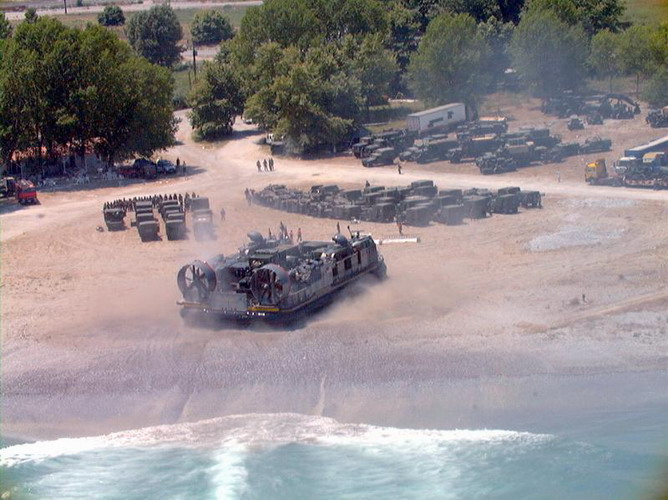 In 1999 The US and its NATO allies begin the bombing of Serbia. The Greek people are opposed and there are regular demonstrations, but the Greek government stands in solidarity with
its fellow NATO members. On June 10th the US Marines land on the beach in Litohoro to the shock of bathers. 2,200 U.S. Marines bound for Macedonia as potential Kosovo peacekeepers come ashore in giant hovercraft troop transports while Greek riot police stand by to protect them from the protestors who have gathered. The troops had been stuck on U.S. Navy ships off the coast of Thessaloniki, held up by Greek reluctance to let them cross its territory while the bombing of Yugoslavia continued. In an effort
to confuse the US soldiers protestors remove road signs sending jeeps and armored vehicles on meandering journeys through the back streets of Thessaloniki and down endless country roads. The Greeks feel an historical and religious affinity with their Orthodox Serb neighbors and the war is immensely unpopular. In 1999 The US and its NATO allies begin the bombing of Serbia. The Greek people are opposed and there are regular demonstrations, but the Greek government stands in solidarity with
its fellow NATO members. On June 10th the US Marines land on the beach in Litohoro to the shock of bathers. 2,200 U.S. Marines bound for Macedonia as potential Kosovo peacekeepers come ashore in giant hovercraft troop transports while Greek riot police stand by to protect them from the protestors who have gathered. The troops had been stuck on U.S. Navy ships off the coast of Thessaloniki, held up by Greek reluctance to let them cross its territory while the bombing of Yugoslavia continued. In an effort
to confuse the US soldiers protestors remove road signs sending jeeps and armored vehicles on meandering journeys through the back streets of Thessaloniki and down endless country roads. The Greeks feel an historical and religious affinity with their Orthodox Serb neighbors and the war is immensely unpopular.
|
|
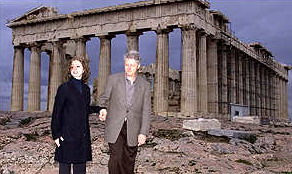 A visit by US President Clinton coincides with the usual massive demonstrations on November 17th commemorating the student rebellion of 1973. The fact that the white house did not realize that this could be a poor time to visit makes one question the intelligence of the administration or the intelligence of their intelligence. The annual November 17th
march has been going on since the first anniversary of the student uprising at the Polytechnic during the dictatorship, when more than one million people marched to the US embassy. Schedules are adjusted by both the White House and the demonstrators to 'accommodate' each other. A few days before Clinton's visit, the statue of Harry S Truman which has once again been blown up, is placed back on its pedestal for the President to see. Simitis is under pressure by the US to ban the march to the embassy, and at the
same time realizes that in doing so he will lose support of the young Greeks of the left should he do so. He bans the march which is then broken up by riot police with massive amounts of tear-gas and other chemical agents courtesy of NATO. However in the course of Clinton's visit he takes a major step in reconciliation between Greece and the US by apologizing for his government's support of the dictatorship. A visit by US President Clinton coincides with the usual massive demonstrations on November 17th commemorating the student rebellion of 1973. The fact that the white house did not realize that this could be a poor time to visit makes one question the intelligence of the administration or the intelligence of their intelligence. The annual November 17th
march has been going on since the first anniversary of the student uprising at the Polytechnic during the dictatorship, when more than one million people marched to the US embassy. Schedules are adjusted by both the White House and the demonstrators to 'accommodate' each other. A few days before Clinton's visit, the statue of Harry S Truman which has once again been blown up, is placed back on its pedestal for the President to see. Simitis is under pressure by the US to ban the march to the embassy, and at the
same time realizes that in doing so he will lose support of the young Greeks of the left should he do so. He bans the march which is then broken up by riot police with massive amounts of tear-gas and other chemical agents courtesy of NATO. However in the course of Clinton's visit he takes a major step in reconciliation between Greece and the US by apologizing for his government's support of the dictatorship.
"The United States allowed its interests in prosecuting the Cold War to prevail over its interests I should say, its obligation to support democracy, which was, after all, the cause for which we fought the Cold War. It is important that we acknowledge that."
George Papandreou, Greece's popular foreign minister, states that President Clinton's apparent apology is likely to help overcome three decades of anti- American resentment and the violent protests during his visit. "That turns a page. It was certainly a gesture toward history in terms of our Greek-American relations."It
is the first time that a U.S.president has made such a conciliatory remark. Clinton also weighs in on the Elgin Marbles, taken from the Acropolis during Ottoman rule by Lord Elgin and now in the British Museum. 'If it would be me, I would give them back immediately." he tells Greek Minister of Culture, Elisavet
Papazoi, who accompanies the president as he visits the Acropolis in Athens with his daughter Chelsea. As for the demonstrations an unnamed U.S. official says the president "is certainly not taking this personally." The visit is cut short by two days and Clinton spends just 22 hours in Greece. Read President Clinton's Speech.
|
|
 In 1999 the Athens Stock Exchange looks like a good bet. Greeks who had never even thought about putting money into stocks are investing. Money that has been hidden in mattresses or buried in the back yard is put into stocks.
Amateur investors who have no understanding of the market are making money and telling their friends and family who also invest. People invest their life savings. Shepherds sell their sheep and buy stocks. The market is at 6000 and climbing. Greek businesses like the ferryboat company Minoan Lines have so much money they don't know what to do with it. Minoan buys out every ferry company it can in the Aegean. Suddenly the whole bubble bursts and just like that all the money is gone. A handful of people get out
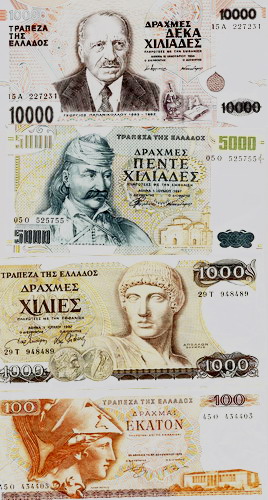
early but almost everybody has either lost everything or knows someone who has. Fresh in people's minds is the pyramid scheme which had collapsed what was left of Albania's economy a few years before and caused massive riots in that country. But this seems to be more of a case of collective greed rather than a scheme to rob everyone. The greed of those who pulled their money and got out making billions and the greed of those seduced by the prospect of easy money. In another important money issue on 19 June 2000, the EU, having assessed that Greece fulfils the requirements of the Maastricht Treaty, approves its accession to the euro area as a twelfth member. On January 1st 2001, the drachma is replaced by the Euro and street venders selling calculators became instant millionaires as Greeks struggles with the conversion. Gradually the drachmas all are taken out of circulation though the price of real-estate continues to be shown in drachma for many years. Perhaps the biggest winners
in the conversion are the street musicians and beggars who instead of being handed ten drachma coins (about 3.3 US cents) are getting half a euro. The psychological effect of the euro is another story. Suddenly things seem more expensive, perhaps because with drachmas being spent by the thousands even for just a meal, one stops paying attention. In 1999 the Athens Stock Exchange looks like a good bet. Greeks who had never even thought about putting money into stocks are investing. Money that has been hidden in mattresses or buried in the back yard is put into stocks.
Amateur investors who have no understanding of the market are making money and telling their friends and family who also invest. People invest their life savings. Shepherds sell their sheep and buy stocks. The market is at 6000 and climbing. Greek businesses like the ferryboat company Minoan Lines have so much money they don't know what to do with it. Minoan buys out every ferry company it can in the Aegean. Suddenly the whole bubble bursts and just like that all the money is gone. A handful of people get out
early but almost everybody has either lost everything or knows someone who has. Fresh in people's minds is the pyramid scheme which had collapsed what was left of Albania's economy a few years before and caused massive riots in that country. But this seems to be more of a case of collective greed rather than a scheme to rob everyone. The greed of those who pulled their money and got out making billions and the greed of those seduced by the prospect of easy money. In another important money issue on 19 June 2000, the EU, having assessed that Greece fulfils the requirements of the Maastricht Treaty, approves its accession to the euro area as a twelfth member. On January 1st 2001, the drachma is replaced by the Euro and street venders selling calculators became instant millionaires as Greeks struggles with the conversion. Gradually the drachmas all are taken out of circulation though the price of real-estate continues to be shown in drachma for many years. Perhaps the biggest winners
in the conversion are the street musicians and beggars who instead of being handed ten drachma coins (about 3.3 US cents) are getting half a euro. The psychological effect of the euro is another story. Suddenly things seem more expensive, perhaps because with drachmas being spent by the thousands even for just a meal, one stops paying attention.
|
|
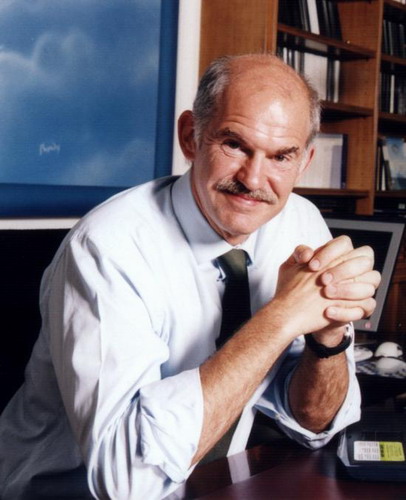 This period also sees the rise in popularity of two more members of Greece's ruling families. George Papandreou from St Paul Minnesota, son of Andreas, becomes a very popular and successful foreign minister and by the end of 2003 the leader of PASOK. Papandreou is progressive, somewhat intelligent and something of a visionary in a society where those in power like to keep things as they are. He is a leader of the International Olympic Truce Foundation to promote the Olympic
Ideals, to serve peace, friendship and international understanding and to uphold the observance of the Olympic Truce, calling for all hostilities to cease during the Olympic Games and beyond, and mobilizing the youth of the world in the cause of peace. In two separate tenures as Minister of Education, he laid the foundations for a number of new institutions and took measures to reform and improve the educational system. He showed particular sensitivity to education for minority groups creating a system of Intercultural
Education to address the needs of students with special cultural needs, such as the students of minority schools in Thrace, the Roma community, and immigrants. As Foreign Minister he worked at improving relations between Greece and its neighbours, and particularly with Turkey. For his contribution to Greek-Turkish relations he was named Diplomat of the Year 2003 by the European Voice newspaper. At the 4th World Conference on the Future of the Internet, George Papandreou was voted as one of the 25 people who
have changed the world through the Internet. He is exactly the right kind of leader Greece needs at this point in history. Or so people thought. This period also sees the rise in popularity of two more members of Greece's ruling families. George Papandreou from St Paul Minnesota, son of Andreas, becomes a very popular and successful foreign minister and by the end of 2003 the leader of PASOK. Papandreou is progressive, somewhat intelligent and something of a visionary in a society where those in power like to keep things as they are. He is a leader of the International Olympic Truce Foundation to promote the Olympic
Ideals, to serve peace, friendship and international understanding and to uphold the observance of the Olympic Truce, calling for all hostilities to cease during the Olympic Games and beyond, and mobilizing the youth of the world in the cause of peace. In two separate tenures as Minister of Education, he laid the foundations for a number of new institutions and took measures to reform and improve the educational system. He showed particular sensitivity to education for minority groups creating a system of Intercultural
Education to address the needs of students with special cultural needs, such as the students of minority schools in Thrace, the Roma community, and immigrants. As Foreign Minister he worked at improving relations between Greece and its neighbours, and particularly with Turkey. For his contribution to Greek-Turkish relations he was named Diplomat of the Year 2003 by the European Voice newspaper. At the 4th World Conference on the Future of the Internet, George Papandreou was voted as one of the 25 people who
have changed the world through the Internet. He is exactly the right kind of leader Greece needs at this point in history. Or so people thought.
|
|
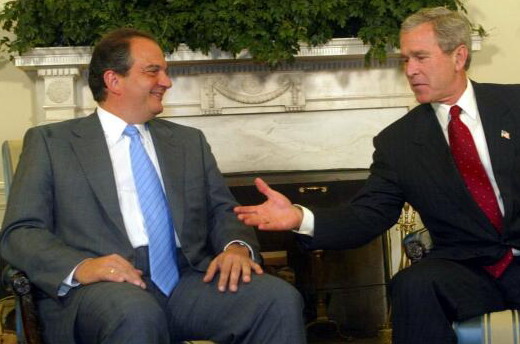 Then again you might say the same of Costa Karamanlis (in photo with American friend) the nephew of his famous uncle Constantine Karamanlis, who takes over the leadership of ND. Karamanlis studied law and economics in Athens. He graduated from the Fletcher School of Law and Diplomacy at Tufts University in Boston with a Masters degree in Political and Financial Science and a PhD in Diplomatic History. He also studied economics at Deree, in Agia Paraskevi (my alma matter). He was president of the peace organisation
KIPAEA and the Greek Center for the Promotion of European Unification. Not very well known, besides having a name that is familiar to every Greek, he rises through the party ranks through the 1980s and emerges as the last-minute surprise winner during a leadership challenge following ND's 1996 election defeat. He is the country's youngest political party leader in living memory and in 2004 becomes the youngest Prime Minister in history at 48. In a country where Prime Ministers and Presidents can be well into
their seventies and eighties before taking power, Karamanlis and Papandreou have fresh ideas and appear to rise above the corruption and power-mongering that has been the world of Greek politics. In Karamanlis' own words "Our goal is to serve the collective interest responsibly with diligence and effectiveness....we are servants of our fellow citizens, not their rulers....anyone who has not fully comprehended this is foreign to our mission." Then again you might say the same of Costa Karamanlis (in photo with American friend) the nephew of his famous uncle Constantine Karamanlis, who takes over the leadership of ND. Karamanlis studied law and economics in Athens. He graduated from the Fletcher School of Law and Diplomacy at Tufts University in Boston with a Masters degree in Political and Financial Science and a PhD in Diplomatic History. He also studied economics at Deree, in Agia Paraskevi (my alma matter). He was president of the peace organisation
KIPAEA and the Greek Center for the Promotion of European Unification. Not very well known, besides having a name that is familiar to every Greek, he rises through the party ranks through the 1980s and emerges as the last-minute surprise winner during a leadership challenge following ND's 1996 election defeat. He is the country's youngest political party leader in living memory and in 2004 becomes the youngest Prime Minister in history at 48. In a country where Prime Ministers and Presidents can be well into
their seventies and eighties before taking power, Karamanlis and Papandreou have fresh ideas and appear to rise above the corruption and power-mongering that has been the world of Greek politics. In Karamanlis' own words "Our goal is to serve the collective interest responsibly with diligence and effectiveness....we are servants of our fellow citizens, not their rulers....anyone who has not fully comprehended this is foreign to our mission."
|
|
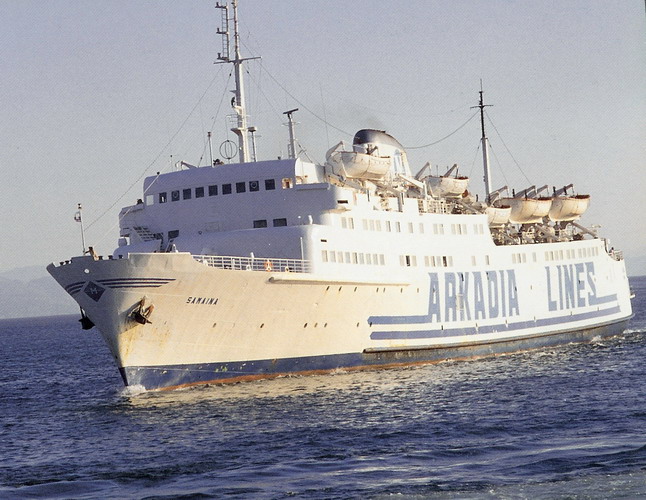 In September of 2000 the Greek ferry Express Samina, owned by Minoan Flying Dolphins, hits a rock near the entrance to the port of Paros and sinks in 45 minutes, making news all over the world and bringing
attention to Greece's aging ferry fleet. Though fishermen on the island brave rough seas in the darkness to rescue passengers, 82 people drown. During the investigation the manager of the ferry company commits suicide by jumping from his office window. As compensation claims pour in, the fortunes of Minoan Flying Dolphin dwindle putting the company at risk and unable to update the older boats of their fleet. This creates a problem for the smaller less popular islands when their ferry service gets cut because
of a lack of boats and the reluctance of ferry companies to waste their new boats on non-lucrative routes. Greece's membership in the EU also opened the door for foreign companies to come in and compete in the ferry business though by 2005 this has still not happened. However it does hasten in the new fleet of modern high-speed ferries like the Aeolos Express owned by NEL and several other boats that are impressive in their speed and comfort. In September of 2000 the Greek ferry Express Samina, owned by Minoan Flying Dolphins, hits a rock near the entrance to the port of Paros and sinks in 45 minutes, making news all over the world and bringing
attention to Greece's aging ferry fleet. Though fishermen on the island brave rough seas in the darkness to rescue passengers, 82 people drown. During the investigation the manager of the ferry company commits suicide by jumping from his office window. As compensation claims pour in, the fortunes of Minoan Flying Dolphin dwindle putting the company at risk and unable to update the older boats of their fleet. This creates a problem for the smaller less popular islands when their ferry service gets cut because
of a lack of boats and the reluctance of ferry companies to waste their new boats on non-lucrative routes. Greece's membership in the EU also opened the door for foreign companies to come in and compete in the ferry business though by 2005 this has still not happened. However it does hasten in the new fleet of modern high-speed ferries like the Aeolos Express owned by NEL and several other boats that are impressive in their speed and comfort.
|
|
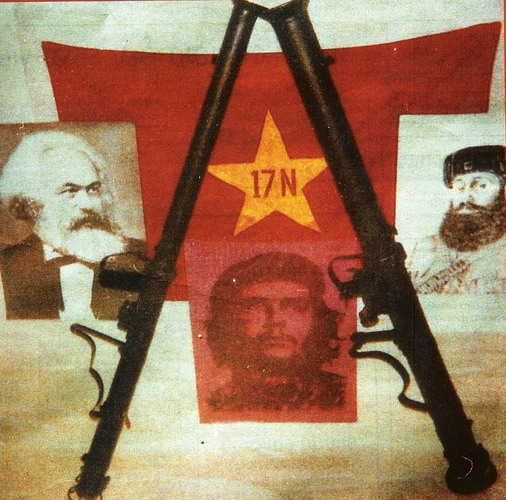 There have been 22 known murders by the November
17th Terrorist Organization, and the 23rd comes on June 8th 2000, the assassination of British Defense Attache Richard Saunders. November 17th is finally caught in the summer of 2002, just in time to help people breathe easier about the coming Olympics. The ease in which the organization unraveled once the first member was caught (he was injured in an explosion on his way to plant a bomb in the Hellas Flying Dolphin office) made people wonder how they could have gotten away for so many years. When the police raid a members
apartment they find a number of incriminating pieces of evidence, foremost among them a November 17th flag. One has to wonder why a terrorist organization that had remained secret for a quarter of a century would even need a flag and why they would keep one around for someone to find? (Did they have little parades around the apartment once a year?) Obviously these were not the smartest guys in Greece and their elusiveness can only be attributed to luck, or a lack of effort by authorities until the time that it
really mattered (before the Olympics). But their capture makes everyone rest a little easier. And though to some conspiracy-minded Greeks it appears that a deal has been made to appease Americans fears, just putting the issue of November 17th to rest makes the Olympics an easier sell if anyone wants to take the responsibility of doing the work to sell it. In the year leading up to the summer of 2004 there are few if any advertisements on American TV or the print media. It is almost like having a party but not
sending out invitations because you are not sure it will be a good one. But with November 17 behind bars and a billion and a half dollars spent on security, it should be a safe one. There have been 22 known murders by the November
17th Terrorist Organization, and the 23rd comes on June 8th 2000, the assassination of British Defense Attache Richard Saunders. November 17th is finally caught in the summer of 2002, just in time to help people breathe easier about the coming Olympics. The ease in which the organization unraveled once the first member was caught (he was injured in an explosion on his way to plant a bomb in the Hellas Flying Dolphin office) made people wonder how they could have gotten away for so many years. When the police raid a members
apartment they find a number of incriminating pieces of evidence, foremost among them a November 17th flag. One has to wonder why a terrorist organization that had remained secret for a quarter of a century would even need a flag and why they would keep one around for someone to find? (Did they have little parades around the apartment once a year?) Obviously these were not the smartest guys in Greece and their elusiveness can only be attributed to luck, or a lack of effort by authorities until the time that it
really mattered (before the Olympics). But their capture makes everyone rest a little easier. And though to some conspiracy-minded Greeks it appears that a deal has been made to appease Americans fears, just putting the issue of November 17th to rest makes the Olympics an easier sell if anyone wants to take the responsibility of doing the work to sell it. In the year leading up to the summer of 2004 there are few if any advertisements on American TV or the print media. It is almost like having a party but not
sending out invitations because you are not sure it will be a good one. But with November 17 behind bars and a billion and a half dollars spent on security, it should be a safe one.
|
|
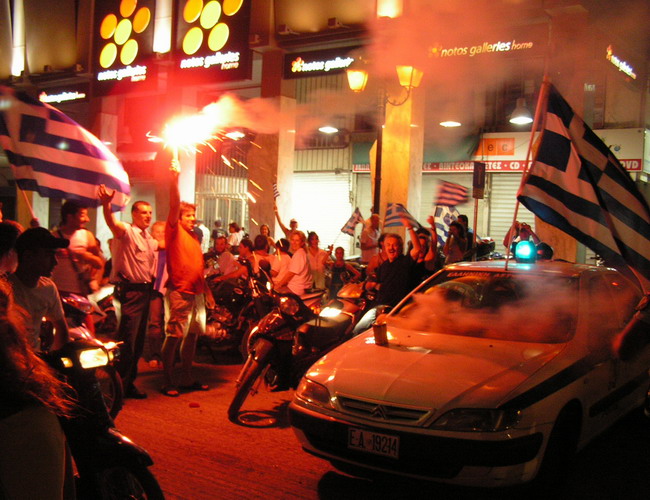 In the summer of 2004 Greece finally hosts the summer Olympics in Athens. As August approaches the world is holding its collective breath and wondering if
the Greeks can actually pull it off with construction projects months behind schedule and costs rising astronomically. Complicating matters, at least in the eyes of the International Olympic Committee is a change in government when Constantine Karamanlis and New Democracy defeats George Papandreou the new leader of PASOK. The American and international media make a point of reporting anything negative having to do with the Olympics with a number of editorialists questioning Greece's ability and maturity. But
as the summer wears on and one major project after another is completed many are forced to concede that the Olympics may actually happen. When Greece stuns the world of soccer by winning the Euro-cup people are suddenly believers in miracles. For three weeks the entire country watch in amazement as the Greek National Football team knocks off one talented opponent after another. After each victory celebration the feeling is that this is great and lets enjoy it while it lasts because next we have to play the
French, or the Czechs or.... but by the time it has narrowed down to Greece and host Portugal, who had already lost to the Greeks in what was probably the biggest opening game upset in history, everyone in the country knows that when the game ends Greece will be Euro-champions. The party in Athens features several million celebrating Greeks and several thousand tourists who come along for the wild ride. Even the cops are dancing in the streets. What a warm-up for the Olympics. In the summer of 2004 Greece finally hosts the summer Olympics in Athens. As August approaches the world is holding its collective breath and wondering if
the Greeks can actually pull it off with construction projects months behind schedule and costs rising astronomically. Complicating matters, at least in the eyes of the International Olympic Committee is a change in government when Constantine Karamanlis and New Democracy defeats George Papandreou the new leader of PASOK. The American and international media make a point of reporting anything negative having to do with the Olympics with a number of editorialists questioning Greece's ability and maturity. But
as the summer wears on and one major project after another is completed many are forced to concede that the Olympics may actually happen. When Greece stuns the world of soccer by winning the Euro-cup people are suddenly believers in miracles. For three weeks the entire country watch in amazement as the Greek National Football team knocks off one talented opponent after another. After each victory celebration the feeling is that this is great and lets enjoy it while it lasts because next we have to play the
French, or the Czechs or.... but by the time it has narrowed down to Greece and host Portugal, who had already lost to the Greeks in what was probably the biggest opening game upset in history, everyone in the country knows that when the game ends Greece will be Euro-champions. The party in Athens features several million celebrating Greeks and several thousand tourists who come along for the wild ride. Even the cops are dancing in the streets. What a warm-up for the Olympics.
|
|
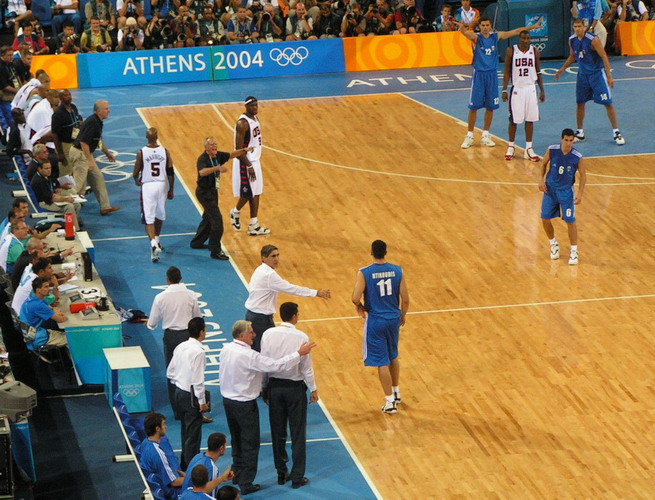 On the day of the 2004 Athens Olympics opening ceremony the spectators who had chosen to come despite the negative press, witness the most spectacular opening ceremony in the
history of the Olympics and one of the most entertaining games ever, both in the venues and in the sparkling streets of Athens where it seemed every square and plaza had something going on 24 hours a day. The Olympic visitors stay in newly renovated hotels, ride on the new metro system and the new coastal tram, walk on miles and miles of newly pedestrian-ized streets that have turned roads into parks. They drive on miles of new highways around the city and even travel on the new suburban railway from the airport
into downtown Athens. Greece's stunning run to the European soccer championship and the overwhelming success of the Athens Olympics finish #1 and #2 in an Associated Press poll of the top sports stories of the year. In a CNN poll the Athens 2004 Olympics are voted the best ever. On the day of the 2004 Athens Olympics opening ceremony the spectators who had chosen to come despite the negative press, witness the most spectacular opening ceremony in the
history of the Olympics and one of the most entertaining games ever, both in the venues and in the sparkling streets of Athens where it seemed every square and plaza had something going on 24 hours a day. The Olympic visitors stay in newly renovated hotels, ride on the new metro system and the new coastal tram, walk on miles and miles of newly pedestrian-ized streets that have turned roads into parks. They drive on miles of new highways around the city and even travel on the new suburban railway from the airport
into downtown Athens. Greece's stunning run to the European soccer championship and the overwhelming success of the Athens Olympics finish #1 and #2 in an Associated Press poll of the top sports stories of the year. In a CNN poll the Athens 2004 Olympics are voted the best ever.
|
|
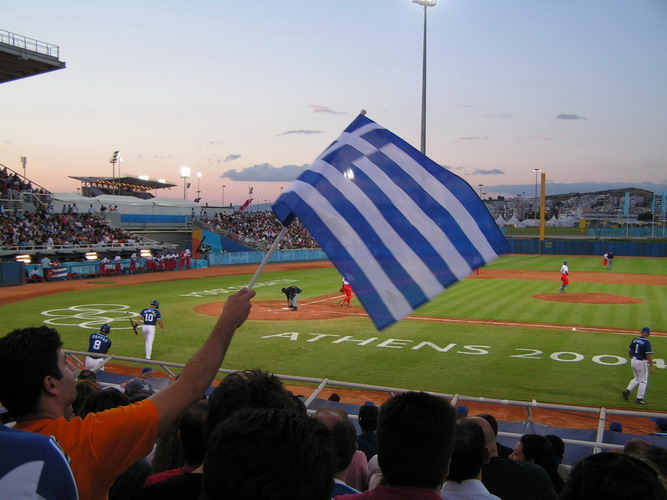 One of the biggest stories of the Olympics is the Greek baseball team. Made up of Greek-American players in the minor leagues with a handful of former major leaguers, the
team's fortunes are dealt a crippling blow right off the bat when their coach, Rob Derksen, who had put the team together, dies of a heart attack in New York a month before the games. The team gains the appreciation of the Greek fans and all their games are sold out. They don't fare too well, with a lack of pitching, but in their second game they have the Cuban team on the ropes in the last inning before falling with the winning run on base. It takes awhile but they finally win their last game against the
Italians. By then the Greek fans understand the game and continue coming to the stadium and throwing their allegiance to the Cubans, who beat the Australians in the finals. Anyone sitting in the stands that night with the sun setting on Mount Hymettos and the Patriot missiles in right field had to be hoping that baseball had come to Greece to stay. One of the biggest stories of the Olympics is the Greek baseball team. Made up of Greek-American players in the minor leagues with a handful of former major leaguers, the
team's fortunes are dealt a crippling blow right off the bat when their coach, Rob Derksen, who had put the team together, dies of a heart attack in New York a month before the games. The team gains the appreciation of the Greek fans and all their games are sold out. They don't fare too well, with a lack of pitching, but in their second game they have the Cuban team on the ropes in the last inning before falling with the winning run on base. It takes awhile but they finally win their last game against the
Italians. By then the Greek fans understand the game and continue coming to the stadium and throwing their allegiance to the Cubans, who beat the Australians in the finals. Anyone sitting in the stands that night with the sun setting on Mount Hymettos and the Patriot missiles in right field had to be hoping that baseball had come to Greece to stay.
|
|
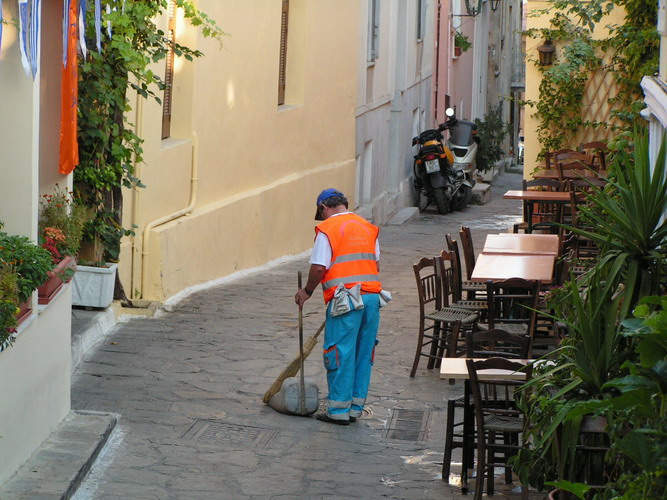 Unfortunately, in the years that follow the games, those in power don't take advantage of the publicity the Olympics will give them, to promote not only the Athens games
themselves but Greece as a tourist destination. Rather than flood American television with positive images of Greece to counteract the reports of bombs and construction delays, the Greek National Tourist Organization and the Athens Olympic Committee decide to sit back and let CNN do their work for them. Unfortunately until a week or so before the Olympics almost all the news is bad, which is of course the nature of the news-media. When suddenly people have second thoughts about skipping these Olympics and decide
to come, it is too late. So while the Olympics are a success, the empty seats put an asterisk on the word successful. There are no terrorist attacks and everybody there had a great time, but it was a missed opportunity and the total bill for the games is 13 billion euros and counting. The Olympics compelled the government to make changes to the infrastructure that needed to be made and it is doubtful all of them would have been done without the Olympics. When the whole
world is watching you then you follow through on your responsibilities. On the other hand there were lost opportunities and lost money from construction delays, and corruption. One hopes that an Olympic hangover does not take too much of a toll on the economy of the country. Unfortunately, in the years that follow the games, those in power don't take advantage of the publicity the Olympics will give them, to promote not only the Athens games
themselves but Greece as a tourist destination. Rather than flood American television with positive images of Greece to counteract the reports of bombs and construction delays, the Greek National Tourist Organization and the Athens Olympic Committee decide to sit back and let CNN do their work for them. Unfortunately until a week or so before the Olympics almost all the news is bad, which is of course the nature of the news-media. When suddenly people have second thoughts about skipping these Olympics and decide
to come, it is too late. So while the Olympics are a success, the empty seats put an asterisk on the word successful. There are no terrorist attacks and everybody there had a great time, but it was a missed opportunity and the total bill for the games is 13 billion euros and counting. The Olympics compelled the government to make changes to the infrastructure that needed to be made and it is doubtful all of them would have been done without the Olympics. When the whole
world is watching you then you follow through on your responsibilities. On the other hand there were lost opportunities and lost money from construction delays, and corruption. One hopes that an Olympic hangover does not take too much of a toll on the economy of the country.
(For more on the Olympics see www.greecetravel.com/2004olympics)
|
|
The popular music of Greece in the nineties and into the next century, as in the USA, can be summed up in the old southern proverb "You can put lipstick on a pig and dress it up. But it is still a pig." A lack of talent and creativity is disguised with incredible studio production, spectacular live shows, and media hype. Good looks and sexy bodies are as important as having a good voice or decent songs, maybe more so. But just as in America, the young
people in Greece love pork. 'Artists' of limited musical ability become superstars and role models imitating western style and fashion. Still there are a handful of talented singers and composers who plug on, maintaining a base of popularity that enable them to continue performing and selling CDs to people who recognize and enjoy good music.
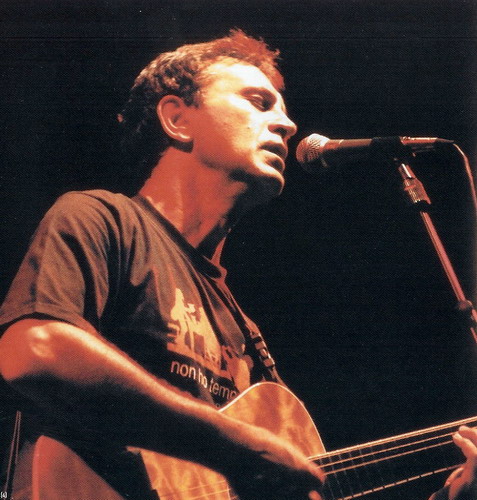 The most artistically successful are those who realize that there is a goldmine of material in traditional and popular Greek music of the last century, who give these songs new life by combining
them with the technical abilities of contemporary producers and modern studio magic. George Dalaras and Babis Tsertos, though not composers are probably the most well known of these artists, Dalaras with worldwide appeal and Tsertos mostly in Greece. Both are able to recognize quality songs, some that had been lost in the past, others that are known by
every Greek, and create a recognizable musical identity not just for Greeks but for the world to hear. From the sixties to the present Dalaras has released perhaps 100 albums in a variety of musical styles from Byzantine to Theodorakis and everything in between. He performs tribute concerts playing the songs of Tsitsanis, Bambakaris, Hadzidakis and performing and recording with such musicians as Al Dimeola and the Israeli Philharmonic Orchestra, even turning up onstage at a Jethro Tull concert. Tsertos plays
the small clubs and does some summer concerts, and puts out a half dozen or so excellent albums of traditional, rembetika and laika music with impeccable playing, singing and production. What these artists have discovered is that the highest form of music is the song and that the pain of unrequited love, the misery of exile, or the joys of wine and dance that someone sang 50 or 100 years ago can affect us emotionally today. Other artists who
have embraced the traditional are Glykeria, Haris Alexiou and an Irishman named Ross Daly who moves to Crete and almost single-handedly resurrects traditional Cretan music, putting out dozens of albums and becoming one of the most respected 'Greek' musicians. The closing ceremonies at the Olympics ends with a celebration of Greek song put together by Dionysis Savopoulos and features some of Greece's biggest stars. The most artistically successful are those who realize that there is a goldmine of material in traditional and popular Greek music of the last century, who give these songs new life by combining
them with the technical abilities of contemporary producers and modern studio magic. George Dalaras and Babis Tsertos, though not composers are probably the most well known of these artists, Dalaras with worldwide appeal and Tsertos mostly in Greece. Both are able to recognize quality songs, some that had been lost in the past, others that are known by
every Greek, and create a recognizable musical identity not just for Greeks but for the world to hear. From the sixties to the present Dalaras has released perhaps 100 albums in a variety of musical styles from Byzantine to Theodorakis and everything in between. He performs tribute concerts playing the songs of Tsitsanis, Bambakaris, Hadzidakis and performing and recording with such musicians as Al Dimeola and the Israeli Philharmonic Orchestra, even turning up onstage at a Jethro Tull concert. Tsertos plays
the small clubs and does some summer concerts, and puts out a half dozen or so excellent albums of traditional, rembetika and laika music with impeccable playing, singing and production. What these artists have discovered is that the highest form of music is the song and that the pain of unrequited love, the misery of exile, or the joys of wine and dance that someone sang 50 or 100 years ago can affect us emotionally today. Other artists who
have embraced the traditional are Glykeria, Haris Alexiou and an Irishman named Ross Daly who moves to Crete and almost single-handedly resurrects traditional Cretan music, putting out dozens of albums and becoming one of the most respected 'Greek' musicians. The closing ceremonies at the Olympics ends with a celebration of Greek song put together by Dionysis Savopoulos and features some of Greece's biggest stars.
|
|
 Unfortunately while these people are introducing the world to Greek music, the guardians of that music, the Greek equivalent of ASCAP and BMI have fanned out all over the country charging
every taverna, coffee-shop, cafeneon and ouzerie, royalties for playing Greek music on tape, CD or even on the radio. Overnight, music seems to disappear from the smaller hangouts, to be replaced by the television which has embraced the worst aspects of American TV, namely game shows, soap operas, reality shows and talking heads arguing about every aspect of Greek society. It's a potentially lethal anti-culture cocktail as televisions seem to replace conversation and fishermen spend their day watching the Bold
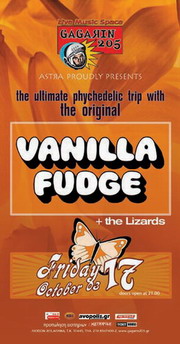
and the Beautiful. Those ouzeries and cafes that can afford it continue to carry the torch as is evident in an evening walk through the streets of Psiri, the new nighttime capital of Athens, with live or recorded music coming from every door. At the same time Greece's musical heroes are being joined by international stars and other respected musicians to concert venues like the outdoor theater on top of Mount Lykavettos and clubs such as The Half Note Jazz Club, Rodon, House of Art, Gagarin 205 and the An
Club. A large number of galleries and museums are added to the cultural mix and even the ancient theater of Herod Atticus below the Acropolis, known more for performances by international ballets and orchestras, has opened the doors to rock and roll with a performance by Jethro Tull in the summer of 2003. With faster and more comfortable ferries from Italy combined with inexpensive flights Athens is truly becoming a European city and the cultural mecca of the Eastern Mediterranean. By 2004 there are dozens of
television channels (up from 2 in the sixties) and there are so many FM radio stations that there is no more band-width available. Unfortunately while these people are introducing the world to Greek music, the guardians of that music, the Greek equivalent of ASCAP and BMI have fanned out all over the country charging
every taverna, coffee-shop, cafeneon and ouzerie, royalties for playing Greek music on tape, CD or even on the radio. Overnight, music seems to disappear from the smaller hangouts, to be replaced by the television which has embraced the worst aspects of American TV, namely game shows, soap operas, reality shows and talking heads arguing about every aspect of Greek society. It's a potentially lethal anti-culture cocktail as televisions seem to replace conversation and fishermen spend their day watching the Bold
and the Beautiful. Those ouzeries and cafes that can afford it continue to carry the torch as is evident in an evening walk through the streets of Psiri, the new nighttime capital of Athens, with live or recorded music coming from every door. At the same time Greece's musical heroes are being joined by international stars and other respected musicians to concert venues like the outdoor theater on top of Mount Lykavettos and clubs such as The Half Note Jazz Club, Rodon, House of Art, Gagarin 205 and the An
Club. A large number of galleries and museums are added to the cultural mix and even the ancient theater of Herod Atticus below the Acropolis, known more for performances by international ballets and orchestras, has opened the doors to rock and roll with a performance by Jethro Tull in the summer of 2003. With faster and more comfortable ferries from Italy combined with inexpensive flights Athens is truly becoming a European city and the cultural mecca of the Eastern Mediterranean. By 2004 there are dozens of
television channels (up from 2 in the sixties) and there are so many FM radio stations that there is no more band-width available.
|
|
 The period of rule by New Democracy, led by Costa Karamanlis, is comparable to the George W Bush years in the United States with jobs and positions awarded to loyalists, family and friends instead of people with ability and experience. Several major scandals threaten to topple the government but each one is quashed by parliamentary maneuvering
and
cover-ups and few perpetrators (if any) are punished. In the meantime the frustration of the Greek people grows and the smaller parties begin to take away votes from the two major parties. The Sieman's scandal features millions of euros in bribes over telecommunication contracts. The Vatopedi Monastery Scandal features a land trade, valuable property owned by the government for useless land owned by a wealthy monastery on Mount Athos that again cost the Greek people millions. Other scandals include a shipping
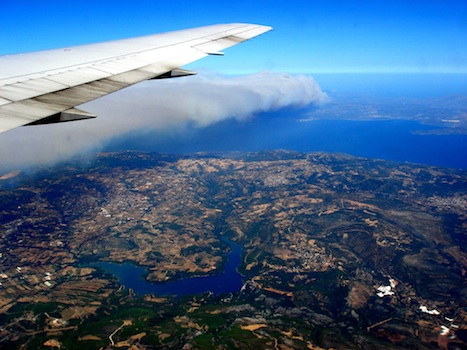
company bribing a minister for subsidized ferry routes, over-paying for stocks and bonds for pension funds, broken agreements with workers, and a million other things. While ND and PASOK hurl insults at each other the country is falling apart. In August of 2007 fires rage out of control all over Greece and once again bring the country international recognition of the wrong kind. Some of Greece's most beautiful forests are burned to cinders. In the Peloponessos fires burn all the way to Ancient Olympia,
threatening the ruins themselves and scorch an area of south western Greece that coincidentally had been targeted for tourist development. An under-manned, under-equipped and under-organized firefighting service joins with locals to save trees and property but entire villages are consumed and at least 75 people die. Two years later the government shows it has learned nothing and done nothing when miles of forests just north of Athens burn for days, destroying the most beautiful land in Attika and
reaching all the way to the suburbs of Nea Pendelis. The period of rule by New Democracy, led by Costa Karamanlis, is comparable to the George W Bush years in the United States with jobs and positions awarded to loyalists, family and friends instead of people with ability and experience. Several major scandals threaten to topple the government but each one is quashed by parliamentary maneuvering
and
cover-ups and few perpetrators (if any) are punished. In the meantime the frustration of the Greek people grows and the smaller parties begin to take away votes from the two major parties. The Sieman's scandal features millions of euros in bribes over telecommunication contracts. The Vatopedi Monastery Scandal features a land trade, valuable property owned by the government for useless land owned by a wealthy monastery on Mount Athos that again cost the Greek people millions. Other scandals include a shipping
company bribing a minister for subsidized ferry routes, over-paying for stocks and bonds for pension funds, broken agreements with workers, and a million other things. While ND and PASOK hurl insults at each other the country is falling apart. In August of 2007 fires rage out of control all over Greece and once again bring the country international recognition of the wrong kind. Some of Greece's most beautiful forests are burned to cinders. In the Peloponessos fires burn all the way to Ancient Olympia,
threatening the ruins themselves and scorch an area of south western Greece that coincidentally had been targeted for tourist development. An under-manned, under-equipped and under-organized firefighting service joins with locals to save trees and property but entire villages are consumed and at least 75 people die. Two years later the government shows it has learned nothing and done nothing when miles of forests just north of Athens burn for days, destroying the most beautiful land in Attika and
reaching all the way to the suburbs of Nea Pendelis.
|
|
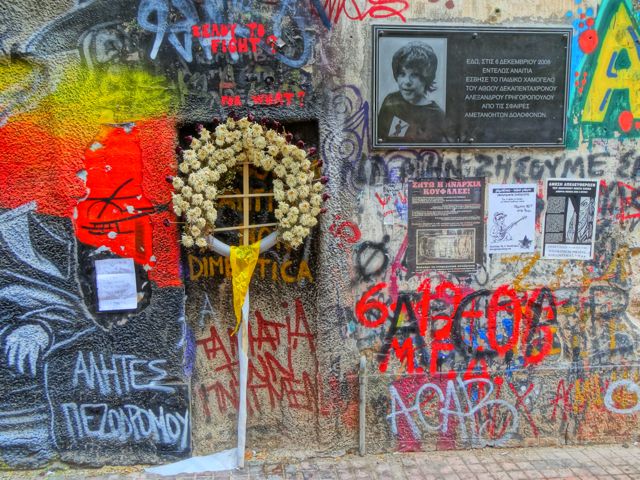 But it is in December of 2008 when the New Democracy government shows how powerless it is, when a policeman in the student neighborhood of Exarchia shoots a 15 year old boy which sets off a wave of violence as the clubs, which were full on Saturday night, empty out as young people burn and smash
any building that houses a business that even appears to be part of the global conspiracy. The following night they gather in Syntagma where they burn the Christmas tree in the square and several buildings nearby before marching down Fileninon Street to Syngrou Avenue where they smash windows of banks, travel agencies and small car rental companies for the TV cameras. The police stand by and watch, hoping to contain the violence and not instigate more. But the people of Athens see it differently, that
the government
is not able to protect them. Some people take advantage of the violence to loot, others to settle scores with their neighbors and competitors and use the violence to serve their own purposes. Oddly, the malls which have been slow in the pre-Christmas buildup are suddenly full of people, which make many Athenians think the whole thing was planned to scare people out of shopping downtown. A month later when a group of young people run through the upscale shopping streets of Kolonaki smashing cars andthe
windows of expensive shops, the more conspiracy-minded people of Athens(most people) see this as further evidence that a hidden hand controls the so-called anarchists. The student who was killed, Alexander Grigoropoulou, is elevated to martyrdom by some of the media and the events are used by political parties to further their objectives, some to the point of encouraging the violence. But in the end the 'riots' peter out and life in Athens goes back to normal, meaning daily demonstrations and occasional
skirmishes between
anarchists and the police instead of battles, and the smashing of ATM machines instead of the burning of banks. (You can read about the events of December at www.greecetravel.com/matt-blog ) But it is in December of 2008 when the New Democracy government shows how powerless it is, when a policeman in the student neighborhood of Exarchia shoots a 15 year old boy which sets off a wave of violence as the clubs, which were full on Saturday night, empty out as young people burn and smash
any building that houses a business that even appears to be part of the global conspiracy. The following night they gather in Syntagma where they burn the Christmas tree in the square and several buildings nearby before marching down Fileninon Street to Syngrou Avenue where they smash windows of banks, travel agencies and small car rental companies for the TV cameras. The police stand by and watch, hoping to contain the violence and not instigate more. But the people of Athens see it differently, that
the government
is not able to protect them. Some people take advantage of the violence to loot, others to settle scores with their neighbors and competitors and use the violence to serve their own purposes. Oddly, the malls which have been slow in the pre-Christmas buildup are suddenly full of people, which make many Athenians think the whole thing was planned to scare people out of shopping downtown. A month later when a group of young people run through the upscale shopping streets of Kolonaki smashing cars andthe
windows of expensive shops, the more conspiracy-minded people of Athens(most people) see this as further evidence that a hidden hand controls the so-called anarchists. The student who was killed, Alexander Grigoropoulou, is elevated to martyrdom by some of the media and the events are used by political parties to further their objectives, some to the point of encouraging the violence. But in the end the 'riots' peter out and life in Athens goes back to normal, meaning daily demonstrations and occasional
skirmishes between
anarchists and the police instead of battles, and the smashing of ATM machines instead of the burning of banks. (You can read about the events of December at www.greecetravel.com/matt-blog )
|
|
 On the positive side the worldwide economic recession does not seem to have as big an effect on Greece as people feared. At first the talking heads in the media are whipping people into near hysteria about the suffering that is about to befall the country. Tavernas
are empty as people stay home to save their money for an uncertain future. But as summer approaches and things still seem kind of normal people start going out again and when a feared collapse of tourism only brings
a decline between 10 and 20% many people believe that disaster has been averted and it is life as usual. Still a growing illegal immigrant problem and the lawlessness in certain areas of Athens bring the police out of their December doldrums as they begin to patrol the city in groups on foot and on small motorcycles, asking for identification and if not solving crime, at least deterring it. Though violent crime seems to be confined to the underworld with people being shot for gambling debts or in turf
wars, there is a spike in petty crime as professional and amateur pickpockets use the metro and crowds in public squares to ply their trade, often targeting tourists. Other high-tech criminals install scanners and cameras on ATM machines scattered around Athens which enable them to get credit card and pin numbers. But what makes big news in the world of crime is when armed robber and kidnapper Vassilis Paleokostas and his Albanian sidekick Alket Rizai who were in Athens Korydalos prison for their helicopter
escape from the same prison in 2006, do it again in February of 2009. The helicopter is found a few hours later. Paleokostas and Rizai are not. On the positive side the worldwide economic recession does not seem to have as big an effect on Greece as people feared. At first the talking heads in the media are whipping people into near hysteria about the suffering that is about to befall the country. Tavernas
are empty as people stay home to save their money for an uncertain future. But as summer approaches and things still seem kind of normal people start going out again and when a feared collapse of tourism only brings
a decline between 10 and 20% many people believe that disaster has been averted and it is life as usual. Still a growing illegal immigrant problem and the lawlessness in certain areas of Athens bring the police out of their December doldrums as they begin to patrol the city in groups on foot and on small motorcycles, asking for identification and if not solving crime, at least deterring it. Though violent crime seems to be confined to the underworld with people being shot for gambling debts or in turf
wars, there is a spike in petty crime as professional and amateur pickpockets use the metro and crowds in public squares to ply their trade, often targeting tourists. Other high-tech criminals install scanners and cameras on ATM machines scattered around Athens which enable them to get credit card and pin numbers. But what makes big news in the world of crime is when armed robber and kidnapper Vassilis Paleokostas and his Albanian sidekick Alket Rizai who were in Athens Korydalos prison for their helicopter
escape from the same prison in 2006, do it again in February of 2009. The helicopter is found a few hours later. Paleokostas and Rizai are not.
|
|
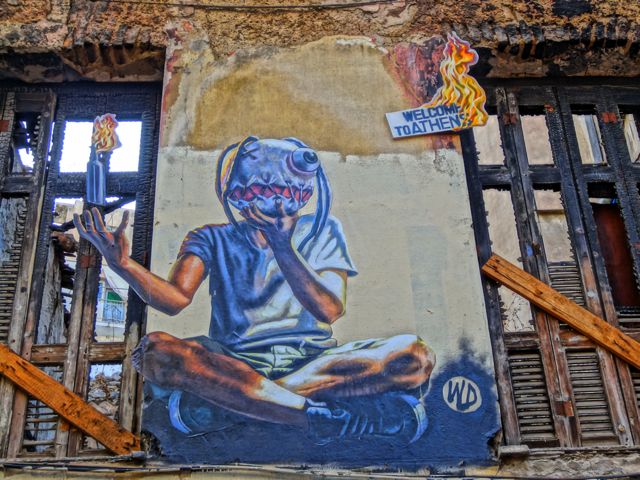 In September of 2009 Karamanlis, with the popularity of his party falling and his ability to govern being question by everyone, calls for snap elections in the hopes of either stealing a victory or believing that a PASOK victory would be so close that they would be unable to form a government. The plan backfires
when George Papandreou wins in a landslide and within days has promised to protect all Greece's forests and close them off from developers, starts a peace initiative
for Cyprus, promises to end the corruption, nepotism and the scandals that have been a part of every Greek government, and asks his ministers to each trade in their gas-guzzling armored Mercedes for a Toyota Prius Hybrid. It does not go well for Papandreau though. After announcing that Greece has plenty of money in its coffers he is forced to admit that not only is that not true but the country is bankrupt and on the verge of collapse. Forced to go to the EU on his hands and knees begging for loans, the Europeans
are no longer amused and attach harsh conditions which will have the purpose of changing everything they don't like about Greece. The civil service will be reduced, minimum wage cut, pensions reduced and other demands that will be so unpopular that no government that enforces them would be able to stay in power. Papandreau after agreeing to them does an about face and calls for a referendum to let the people of Greece decide. This is not acceptable to the Europeans and in the wink of an eye George Papandreau
disappears from power, politics and is last seen teaching at Harvard and Columbia, presumably a course on how not to run a small country on the fringe of Europe. In September of 2009 Karamanlis, with the popularity of his party falling and his ability to govern being question by everyone, calls for snap elections in the hopes of either stealing a victory or believing that a PASOK victory would be so close that they would be unable to form a government. The plan backfires
when George Papandreou wins in a landslide and within days has promised to protect all Greece's forests and close them off from developers, starts a peace initiative
for Cyprus, promises to end the corruption, nepotism and the scandals that have been a part of every Greek government, and asks his ministers to each trade in their gas-guzzling armored Mercedes for a Toyota Prius Hybrid. It does not go well for Papandreau though. After announcing that Greece has plenty of money in its coffers he is forced to admit that not only is that not true but the country is bankrupt and on the verge of collapse. Forced to go to the EU on his hands and knees begging for loans, the Europeans
are no longer amused and attach harsh conditions which will have the purpose of changing everything they don't like about Greece. The civil service will be reduced, minimum wage cut, pensions reduced and other demands that will be so unpopular that no government that enforces them would be able to stay in power. Papandreau after agreeing to them does an about face and calls for a referendum to let the people of Greece decide. This is not acceptable to the Europeans and in the wink of an eye George Papandreau
disappears from power, politics and is last seen teaching at Harvard and Columbia, presumably a course on how not to run a small country on the fringe of Europe.
|
|
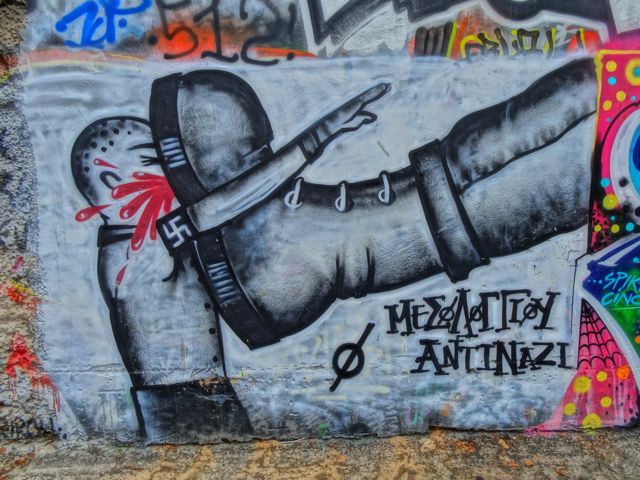 After disposing of Papandreau a caretaker government of Greek bankers and businessmen is put in place to make sure that Greece abides by the terms of the loan agreement. This is followed by a couple elections in which New Democracy, now led by Papandreau's ex roommate at Amherst, Andonis Samaras, wins but not with a majority
or even anything close to one. PASOK falls to mid single digits and two new parties make an appearance. SYRIZA is a coalition of the left, held together by Alexis Tsipras, a charismatic, young radical. They run neck and neck with ND in opinion polls. The second party is Golden Dawn (Krysi Avghi) who take about 11% of the vote, enough for 18 seats in Parliament. Compared to Nazis, they wear black shirts with a Greek key as their symbol, that looks amazingly like a swastika. Most of them have the intelligence of
your average bar bouncer and they follow a leader named Nicholaos Michaliakos with blind devotion. They blame all Greece's problems on immigrants and begin patrolling the immigrant neighborhoods of Athens in gangs attacking anyone who does not look Greek while providing protection to the Greeks in the area. Their popularity rises as things get worse and worse economically in Greece. But ND which has formed a coalition with what is left of the once powerful PASOK and another smaller party. The new government led
by Samaras tolerates the behavior of Golden Dawn since they do draw attention from the bigger problems which are the fact that the austerity policies Greece has been forced to implement are destroying the middle class. Greece is now in a full blown depression with unemployment at almost 30%. Shops and businesses close by the thousands and families are forced to live off the pensions of one or two senior members. Golden Dawn is a sideshow to all this but the media loves it and the fear of a Fourth Reich blossoming
in Greece makes them a much bigger story then they actually are. Eventually, drunk with power they self destruct. After members of the group kill a popular leftist rap singer the leaders are arrested and the followers are in complete disarray. It turns out that the government has been collecting evidence all along and were just waiting for the most opportune moment to use it. After disposing of Papandreau a caretaker government of Greek bankers and businessmen is put in place to make sure that Greece abides by the terms of the loan agreement. This is followed by a couple elections in which New Democracy, now led by Papandreau's ex roommate at Amherst, Andonis Samaras, wins but not with a majority
or even anything close to one. PASOK falls to mid single digits and two new parties make an appearance. SYRIZA is a coalition of the left, held together by Alexis Tsipras, a charismatic, young radical. They run neck and neck with ND in opinion polls. The second party is Golden Dawn (Krysi Avghi) who take about 11% of the vote, enough for 18 seats in Parliament. Compared to Nazis, they wear black shirts with a Greek key as their symbol, that looks amazingly like a swastika. Most of them have the intelligence of
your average bar bouncer and they follow a leader named Nicholaos Michaliakos with blind devotion. They blame all Greece's problems on immigrants and begin patrolling the immigrant neighborhoods of Athens in gangs attacking anyone who does not look Greek while providing protection to the Greeks in the area. Their popularity rises as things get worse and worse economically in Greece. But ND which has formed a coalition with what is left of the once powerful PASOK and another smaller party. The new government led
by Samaras tolerates the behavior of Golden Dawn since they do draw attention from the bigger problems which are the fact that the austerity policies Greece has been forced to implement are destroying the middle class. Greece is now in a full blown depression with unemployment at almost 30%. Shops and businesses close by the thousands and families are forced to live off the pensions of one or two senior members. Golden Dawn is a sideshow to all this but the media loves it and the fear of a Fourth Reich blossoming
in Greece makes them a much bigger story then they actually are. Eventually, drunk with power they self destruct. After members of the group kill a popular leftist rap singer the leaders are arrested and the followers are in complete disarray. It turns out that the government has been collecting evidence all along and were just waiting for the most opportune moment to use it.
|
|
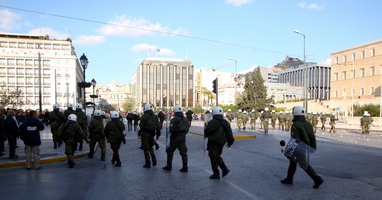
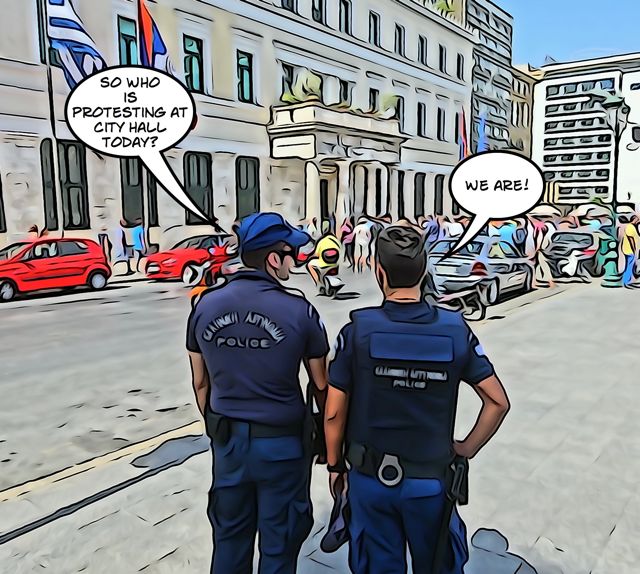 During this period of economic downturn demonstrations are a daily event as the whole society seems to be crumbling. While members of the Greek Parliament are signing laws and agreeing to terms that will destroy the lives of many, they are protected by armies of riot police from the angry citizens who are determined to storm the building
and hang them all. It is reported that the Greek police used more tear gas at these demonstrations than has ever been used in history. During one of the marches hooded anarchists set fire to a bank. Three people are killed including a pregnant woman. The event shocks the country as if some invisible line has been crossed. Whether for this reason or that people just have given up, the demonstrations get smaller and for much of 2013 Athens is quiet as people try to adapt to a new economic reality. But in June when
Samaras fires every employee of the Greek National Television Service (ERT) the demonstrations begin again though with nowhere near the ferocity of previous years. It is as if people realize the damage the riots and lawlessness have on the image of Greece, and they have come to the realization that if they are ever going to get out of this mess without defaulting or leaving the euro, they will need all the tourists they can get. Almost on cue foreign cruise companies begin promoting their Greek island itineraries
and tourists arrivals grow from Russia, India, China and a few other countries, though American tourism drops, either because of the bad press or the fact that the USA has economic problems of its own. During this period of economic downturn demonstrations are a daily event as the whole society seems to be crumbling. While members of the Greek Parliament are signing laws and agreeing to terms that will destroy the lives of many, they are protected by armies of riot police from the angry citizens who are determined to storm the building
and hang them all. It is reported that the Greek police used more tear gas at these demonstrations than has ever been used in history. During one of the marches hooded anarchists set fire to a bank. Three people are killed including a pregnant woman. The event shocks the country as if some invisible line has been crossed. Whether for this reason or that people just have given up, the demonstrations get smaller and for much of 2013 Athens is quiet as people try to adapt to a new economic reality. But in June when
Samaras fires every employee of the Greek National Television Service (ERT) the demonstrations begin again though with nowhere near the ferocity of previous years. It is as if people realize the damage the riots and lawlessness have on the image of Greece, and they have come to the realization that if they are ever going to get out of this mess without defaulting or leaving the euro, they will need all the tourists they can get. Almost on cue foreign cruise companies begin promoting their Greek island itineraries
and tourists arrivals grow from Russia, India, China and a few other countries, though American tourism drops, either because of the bad press or the fact that the USA has economic problems of its own.
|
|
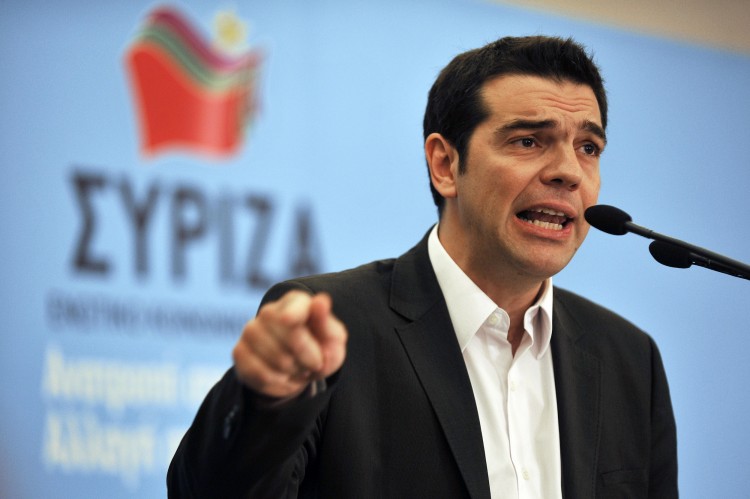 Meanwhile the popularity of Alexis Tsipras and SYRIZA, the Coalition of the Left, is rising as Greek voters get fed up with the corrupt old oligarchic parties and the austerity that is driving the country into poverty. Tsipras knows he can be Prime Minister whenever he wants. He chooses to oppose New Democracy's choice of President
which means the country has to go to new elections within 3 months. Samaras realizes he will lose the election but knows that if he calls for elections early, then SYRIZA will
be forced to negotiate with the EU for more money and he can sit back and watch as they are forced to renege on their campaign promises just to survive. SYRIZA wins the election but not with enough votes to for a government. They form a coalition with a small right wing party who are also against the memorandum forced upon Greece by what is known as the Trioka, made up of the European Central Bank (ECB), the European Commission (EC), and the International Monetary Fund (IMF). Most of Greece supports the new government
though some believe it will be business as usual and the ranks of SYRIZA have been swelled by former PASOK politicians and voters looking for a new feeding trough. Most feel that things can't get any worse so why not give them a shot and get behind them? Tsipras knows that as long as he stands up to the Troika, and works with the Europeans to bring home a better deal than the previous government did then he can remain in power. But his campaign promises are his Achilles heal. Meanwhile the popularity of Alexis Tsipras and SYRIZA, the Coalition of the Left, is rising as Greek voters get fed up with the corrupt old oligarchic parties and the austerity that is driving the country into poverty. Tsipras knows he can be Prime Minister whenever he wants. He chooses to oppose New Democracy's choice of President
which means the country has to go to new elections within 3 months. Samaras realizes he will lose the election but knows that if he calls for elections early, then SYRIZA will
be forced to negotiate with the EU for more money and he can sit back and watch as they are forced to renege on their campaign promises just to survive. SYRIZA wins the election but not with enough votes to for a government. They form a coalition with a small right wing party who are also against the memorandum forced upon Greece by what is known as the Trioka, made up of the European Central Bank (ECB), the European Commission (EC), and the International Monetary Fund (IMF). Most of Greece supports the new government
though some believe it will be business as usual and the ranks of SYRIZA have been swelled by former PASOK politicians and voters looking for a new feeding trough. Most feel that things can't get any worse so why not give them a shot and get behind them? Tsipras knows that as long as he stands up to the Troika, and works with the Europeans to bring home a better deal than the previous government did then he can remain in power. But his campaign promises are his Achilles heal.
|
|
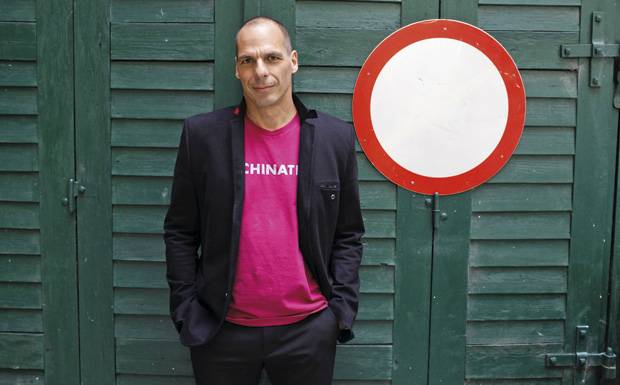 Tsipras appoints renown economist
Yiannis Varoufakis as Minister of Economics, who leads a small group to Brussels to do battle with the forces of darkness and try to get better borrowing terms for Greece. But the Europeans insist that Greece continue with the austerity that has ruined their economy, even as they admit it did not really work the way they expected it to. The European right wing press, particularly in Germany, ridicule Varoufakis and the Greek government's efforts to get more money and give nothing in return. At the same time
the matter of repaying the money that the Nazis took from Greece during the war in the form of a 'loan' from the National Bank of Greece, as well as war reparations which were never paid, is gaining traction as an answer to Greece's problems, at least as far as the Greeks are concerned. Germany disagrees of course. Eventually Tsipras relieves Varoufakis of his role as chief negotiator, mainly because the European Economic Ministers can't stand him. Whether it is because he is arrogant and amateurish as the
Europeans claim, or that he dares to speak truth to power, is unclear. What is clear is that Varoufakis has attained rock star status, not just in Greece but around Europe too. The problem for the banks and the European leaders is that if Tsipras becomes as popular in Europe as his Economic Minister, there could be trouble. The future of Europe may be a little different from what they had planned if leftist governments like SYRIZA are successful. If the Europeans can send Tsipras and company home empty
handed and things get worse in Greece, maybe new elections will bring back Samaras or someone easier to deal with. Tsipras appoints renown economist
Yiannis Varoufakis as Minister of Economics, who leads a small group to Brussels to do battle with the forces of darkness and try to get better borrowing terms for Greece. But the Europeans insist that Greece continue with the austerity that has ruined their economy, even as they admit it did not really work the way they expected it to. The European right wing press, particularly in Germany, ridicule Varoufakis and the Greek government's efforts to get more money and give nothing in return. At the same time
the matter of repaying the money that the Nazis took from Greece during the war in the form of a 'loan' from the National Bank of Greece, as well as war reparations which were never paid, is gaining traction as an answer to Greece's problems, at least as far as the Greeks are concerned. Germany disagrees of course. Eventually Tsipras relieves Varoufakis of his role as chief negotiator, mainly because the European Economic Ministers can't stand him. Whether it is because he is arrogant and amateurish as the
Europeans claim, or that he dares to speak truth to power, is unclear. What is clear is that Varoufakis has attained rock star status, not just in Greece but around Europe too. The problem for the banks and the European leaders is that if Tsipras becomes as popular in Europe as his Economic Minister, there could be trouble. The future of Europe may be a little different from what they had planned if leftist governments like SYRIZA are successful. If the Europeans can send Tsipras and company home empty
handed and things get worse in Greece, maybe new elections will bring back Samaras or someone easier to deal with.
|
|
In the meantime thousands of young, educated people are leaving Greece to find work in Europe, Australia and America. While this is happening thousands of refugees from wars in the Middle East are crossing over from Turkey to the border islands in small boats. Many die in the crossing including children.
|
|